What Does a Healthy Diet Really Look Like in 2026? A Practical Guide to Balanced Eating
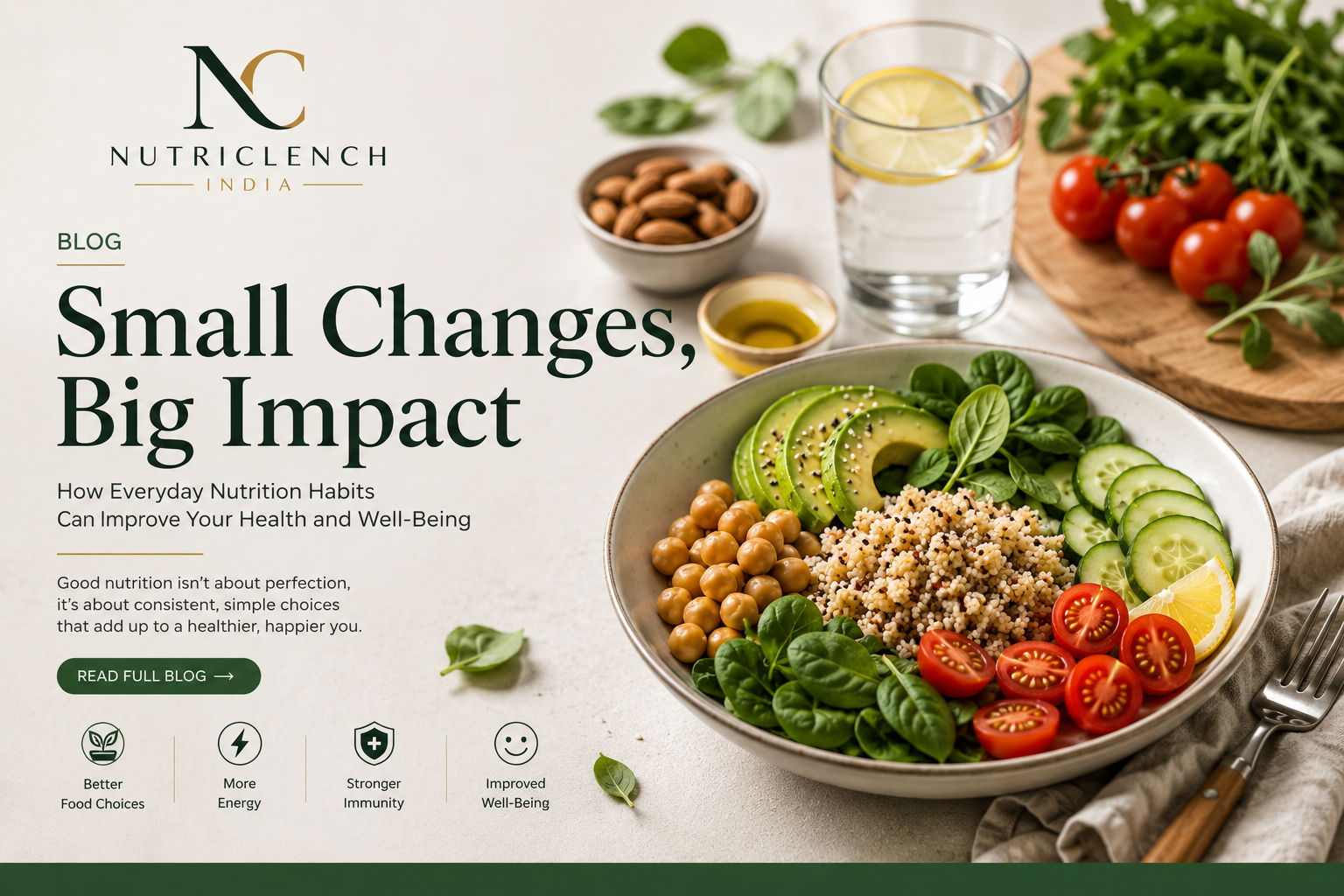
Discover what a healthy diet really means in 2026—a practical balance of whole foods, essential nutrients, mindful portions, hydration, and sustainable eating habits. This guide simplifies modern nutrition science into everyday choices, helping you build balanced meals, support long-term health, and develop realistic habits without restrictive diets or unnecessary food rules.
What Does a Healthy Diet Really Mean?
Healthy eating is no longer about following a restrictive diet, eliminating carbohydrates, or counting every calorie.
In 2026, the evidence continues to support a much simpler principle: a healthy diet should be adequate, balanced, diverse, moderate and safe. The World Health Organization (WHO) identifies these as the core principles of healthy eating and emphasizes minimally processed and unprocessed foods as the foundation of a healthy dietary pattern. (World Health Organization)
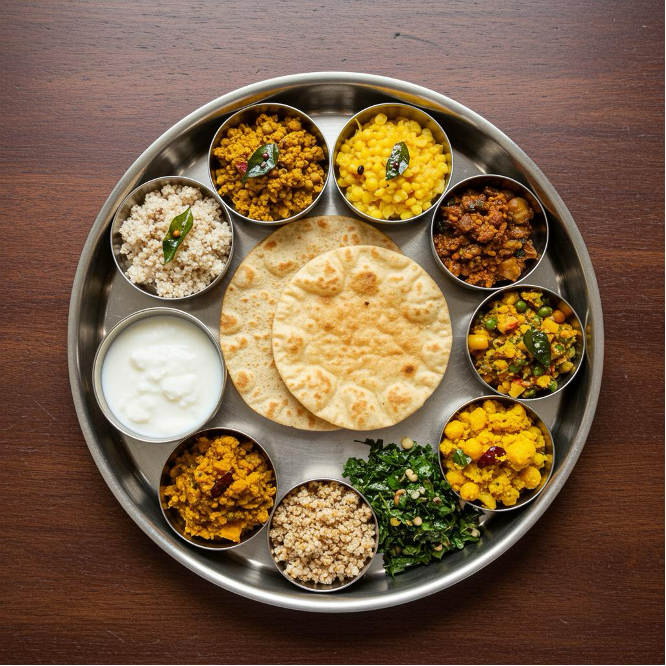
For Indian households, this does not necessarily mean replacing traditional foods with expensive “health foods.” A nutritious diet can be built around familiar foods such as dal, roti, rice, millets, vegetables, fruits, curd, pulses, nuts and seeds.
The goal is not to eat perfectly every day. The goal is to create a dietary pattern that is nutritious, practical, culturally appropriate and sustainable for the long term.
Why Healthy Eating Matters More Than Ever
Modern lifestyles have changed the way many people eat. Busy schedules, eating outside the home, sedentary lifestyles and increased availability of highly processed foods can make nutritious choices more difficult.
WHO's latest healthy-diet guidance, updated in January 2026, notes that unhealthy dietary patterns contribute substantially to malnutrition and noncommunicable diseases, including diabetes, cardiovascular disease, stroke and some cancers. (World Health Organization)
At the same time, healthy eating does not have to be complicated.
A healthy dietary pattern can be built by regularly choosing:
Vegetables and seasonal fruits
Whole grains and millets
Pulses, beans and other legumes
Nuts and seeds
Appropriate sources of protein
Milk and fermented dairy foods when suitable
Healthy sources of dietary fat
Adequate water
Minimally processed foods
The 5 Pillars of a Healthy Diet
1. Make Your Diet Diverse
One of the simplest nutrition principles is variety.
No single food provides every nutrient required by the human body. Eating different foods across the week improves the likelihood of obtaining adequate protein, fibre, vitamins, minerals and other beneficial compounds.
Try rotating:
Cereals & grains: wheat, rice, oats, barley, maize, ragi, jowar, bajra and other millets.
Pulses & legumes: moong, masoor, chana, rajma, lobia, peas and other beans.
Vegetables: leafy greens, gourds, cruciferous vegetables, roots, coloured vegetables and seasonal produce.
Fruits: choose a variety of locally available and seasonal fruits rather than relying on only one type.
The 2024 Dietary Guidelines for Indians from ICMR-NIN emphasize dietary diversity and provide food-group guidance designed for the Indian population. (ICMR National Institute of Nutrition)
2. Give Fibre a Bigger Role
Fibre is an important component of a healthy dietary pattern.
WHO recommends that people over 10 years of age aim for at least 25 g of naturally occurring dietary fibre per day, while also recommending at least 400 g of fruits and vegetables daily for people over 10. (World Health Organization)
Good sources include:
Whole grains
Millets
Pulses
Beans
Vegetables
Fruits
Nuts
Seeds
A simple NutriClench tip:
Instead of asking “Which food should I remove?”, ask:
“What fibre-rich food can I add to this meal?”
For example:
Refined breakfast → vegetable oats/upma + fruit
Plain lunch → roti + dal + seasonal vegetable + salad
Snack → fruit + unsalted nuts
Dinner → vegetable khichdi + curd + vegetables
Small additions can make everyday meals more nutritious.
3. Don't Forget Protein
Protein is required for growth, tissue maintenance and many physiological functions.
For an Indian meal, protein can come from both plant and animal sources, depending on individual dietary preferences.
Vegetarian sources
Dal
Rajma
Chana
Lobia
Soy and soy products
Milk
Curd
Paneer
Nuts and seeds
Non-vegetarian sources
Eggs
Fish
Chicken
Lean meat
Rather than concentrating protein into only one meal, it can be useful to include a protein-rich food across meals.
For example:
Breakfast: vegetable besan chilla + curd
Lunch: roti + dal + vegetables
Snack: roasted chana + fruit
Dinner: rice/roti + rajma/chicken/fish + vegetables
What Should a Balanced Indian Plate Look Like?
A healthy meal does not have to look identical for everyone.
Age, body composition, activity level, health status, food preferences, culture and dietary requirements all influence nutritional needs.
However, a practical meal-building approach is to include:
A cereal or grain source
Roti, rice, oats, millet, quinoa or another suitable grain.A protein source
Dal, beans, paneer, curd, eggs, fish, chicken or another suitable protein food.Plenty of vegetables
Include different colours and varieties across the week.Fruit when appropriate
Prefer whole fruit over fruit-based sugary drinks.A moderate amount of healthy fat
Nuts, seeds and suitable cooking oils can contribute to a balanced diet.
4. Limit, Don't Fear, Your Favourite Foods
Healthy eating does not mean that every favourite food must disappear.
The bigger issue is frequency, quantity and the overall dietary pattern.
WHO recommends limiting foods and beverages high in free sugars, sodium and unhealthy fats while emphasizing a variety of nutritious foods. For adults, WHO recommends keeping salt intake below 5 g per day, equivalent to less than 2 g of sodium. (World Health Organization)
Instead of thinking:
“I can never eat this again.”
Try:
“How often and how much of this food fits into my overall diet?”
This mindset makes healthy eating more sustainable.
What About Sugar?
WHO recommends limiting free sugars to less than 10% of total daily energy intake, with additional benefits possible when intake is reduced to below 5%. For a person consuming around 2,000 kcal per day, 10% corresponds to approximately 50 g of free sugars. (World Health Organization)
Free sugars include sugars added to foods and beverages, as well as sugars naturally present in honey, syrups and fruit juices.
A practical strategy is to reduce:
Sugary soft drinks
Sweetened beverages
Frequent desserts
Excess sugar in tea and coffee
Sweetened packaged foods
Instead, choose whole fruits more often.
Hydration Is Part of Nutrition Too
Water is often overlooked when discussing healthy eating.
Daily fluid needs vary according to factors such as climate, physical activity, age and individual circumstances.
For most people, water should be the primary everyday beverage.
In India's warm climate, hydration becomes particularly important during outdoor activity, exercise and periods of high heat.
A simple habit is to keep water accessible throughout the day instead of waiting until you feel extremely thirsty.
Is a Healthy Diet Expensive?
Not necessarily.
A nutritious diet can be built around affordable, locally available foods.
Some budget-friendly nutritious choices include:
Seasonal vegetables
Local fruits
Dal
Chana
Rajma
Lobia
Groundnuts
Eggs
Curd
Millets
Whole grains
Homemade vegetable preparations
Food affordability remains a significant global nutrition challenge. FAO's State of Food Security and Nutrition in the World 2025 continues to highlight the relationship between food prices, purchasing power and access to healthy diets. (FAOHome)
This makes local, seasonal and minimally processed foods particularly valuable in practical nutrition planning.
7 Simple Healthy Eating Habits You Can Start Today
1. Add one extra serving of vegetables
Make vegetables part of lunch or dinner every day.
2. Include protein in every major meal
Choose dal, pulses, dairy, eggs or other suitable protein sources.
3. Eat whole fruit instead of drinking fruit juice
Whole fruit provides fibre and requires chewing, making it a more useful everyday choice.
4. Choose whole grains more frequently
Try whole wheat, oats, brown rice or traditional millets according to preference and availability.
5. Keep healthy snacks visible
Fruit, roasted chana, nuts or seeds can be convenient alternatives to highly processed snacks.
6. Reduce sugary drinks
Water should remain your default beverage.
7. Make your meals colourful
Different colours often represent different plant foods and their diverse nutrients and bioactive compounds.
The Bottom Line: Healthy Eating Should Be Sustainable
A healthy diet is not a 7-day challenge.
It is not about starvation, extreme restriction or following the latest food trend.
It is about creating a long-term pattern of eating that provides adequate nutrition while fitting your culture, lifestyle, budget, preferences and health needs.
At NutriClench, we believe nutrition should be evidence-based, practical, personalized and achievable—not confusing or restrictive. https://nutriclench.com/dietitians
Eat better. Understand nutrition. Live healthier.
NutriClench — Empowering Better Nutrition, One Meal at a Time.
Want a plan built for your body?
Book a consultation with a certified NutriClench dietitian.
Book a ConsultationKeep reading
The 80% Rule: Do We Really Need to Eat Perfectly Healthy?
Discover how the 80/20 rule can make healthy eating more realistic and sustainable. By choosing nutritious foods most of the time while allowing occasional treats without guilt, you can build a balanced relationship with food—because long-term health depends on consistency, not perfection.
Read more Nutrition & WellnessHow Much Water Do You Really Need? A Practical Guide to Daily Hydration
How much water should you drink every day? Learn how hydration needs vary, common signs of dehydration, the best ways to stay hydrated, and when you may need personalized nutrition guidance.
Read more Nutrition & WellnessEating for Energy: Foods that Boost Stamina
Do you often feel exhausted even after eating enough calories? The answer may not be how much you eat, but what, when, and how you eat. While calorie intake provides fuel, the quality of your food determines how efficiently your body produces and sustains energy. Nutrient-rich foods such as eggs, beans, oats, bananas, nuts, seeds, chicken, and chickpeas deliver a balanced combination of protein, complex carbohydrates, healthy fats, vitamins, and minerals that help maintain steady energy levels throughout the day. Discover how making smarter food choices can reduce fatigue, improve metabolism, and keep you energized from morning to night.
Read more